
Glaucoma stands as the third leading cause of blindness globally, according to the Glaucoma Foundation. Rather than being a single disease, glaucoma refers to a collection of eye conditions that damage the optic nerve and result in peripheral vision loss. Often, glaucoma develops silently, showing few or no symptoms. The optic nerve, located at the back of the eye, is composed of many nerve fibers that transmit images from the eye to the brain.
2 Types of Glaucoma
Open-angle glaucoma is the most common form. It occurs when the eye’s drainage canals become gradually blocked, preventing fluid from draining properly and causing an increase in intraocular pressure (IOP). Although the canal entrances remain open, the real blockage happens within the canals themselves—much like a drainpipe clog beneath a sink.
Angle-closure glaucoma, also known as acute or narrow-angle glaucoma, is far less common but more sudden. In this type, eye pressure rises quickly because the drainage canals are abruptly blocked or covered, like a sink that becomes physically obstructed.

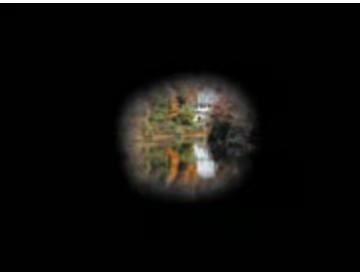
How Can In.Sight Low Vision Help?
For those who have already lost vision due to glaucoma, certain low vision aids can provide support. Glasses that enhance contrast, such as tinted eyewear, can make objects easier to see, while field expanders help by shrinking images to fit within the central vision, which is often still functional. These devices can assist people with glaucoma in sustaining their independence and quality of life.
Early intervention with low vision aids is strongly associated with improved long-term outcomes. Patients who begin using vision aids sooner adapt more effectively, while those who delay often face greater challenges once vision loss has progressed.